1R
1REALTOUR Team
·April 21, 2024·8 min read
Table of Contents
What Is a Meta Description? Guide to Writing One
A meta description is a short but powerful part of your SEO strategy. It appears in search results and helps users decide whether your page is worth clicking. When optimized correctly, it can boost your traffic, strengthen relevance, and improve overall user engagement. Despite being brief, it plays a major role in influencing click behavior and shaping how your website performs on Google.
Understanding Meta Description
A meta description helps searchers understand what your page offers before they open it. It acts as a preview that encourages clicks, improves user experience, and supports long-term SEO performance. When it aligns with search intent, your page becomes more appealing and competitive in results.
What Is a Meta Description?
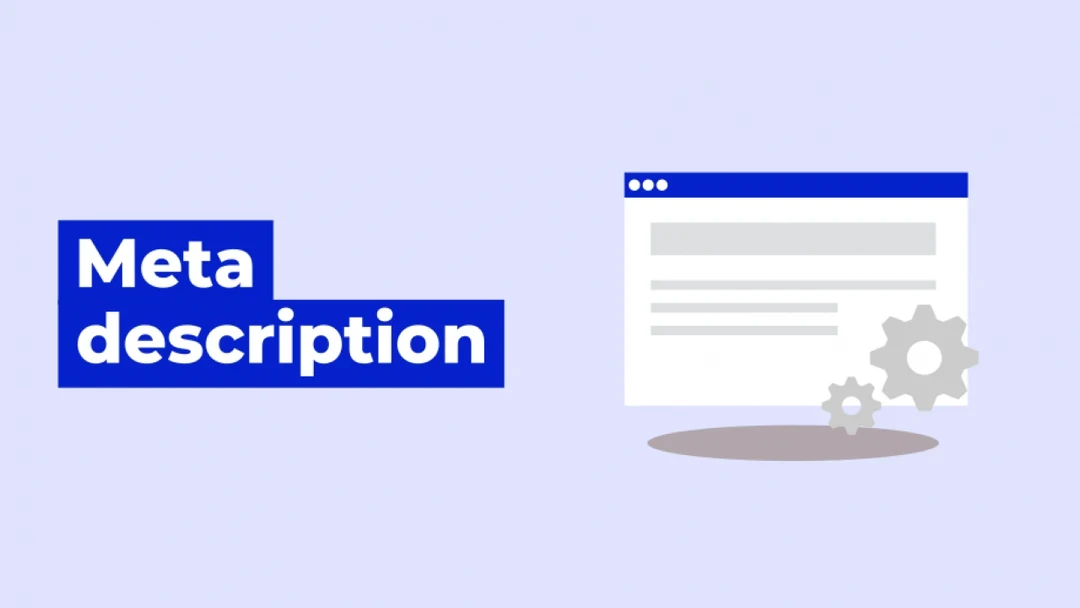
A meta description is a short summary that appears beneath your page title on Google. It gives users a quick idea of what your page is about before they visit. Although it does not directly influence rankings, it strongly impacts click-through rate, which makes it a key part of your SEO strategy.
Here are the main purposes of a meta description:
Explains the value or purpose of the page.
Encourages users to click through to your website.
Helps searchers understand how your content matches their intent.
Supports SEO indirectly by boosting engagement signals.
“A powerful meta description doesn’t just describe a page. It persuades a user to choose your result over every other option.”
How Meta Descriptions Appear in Google Search
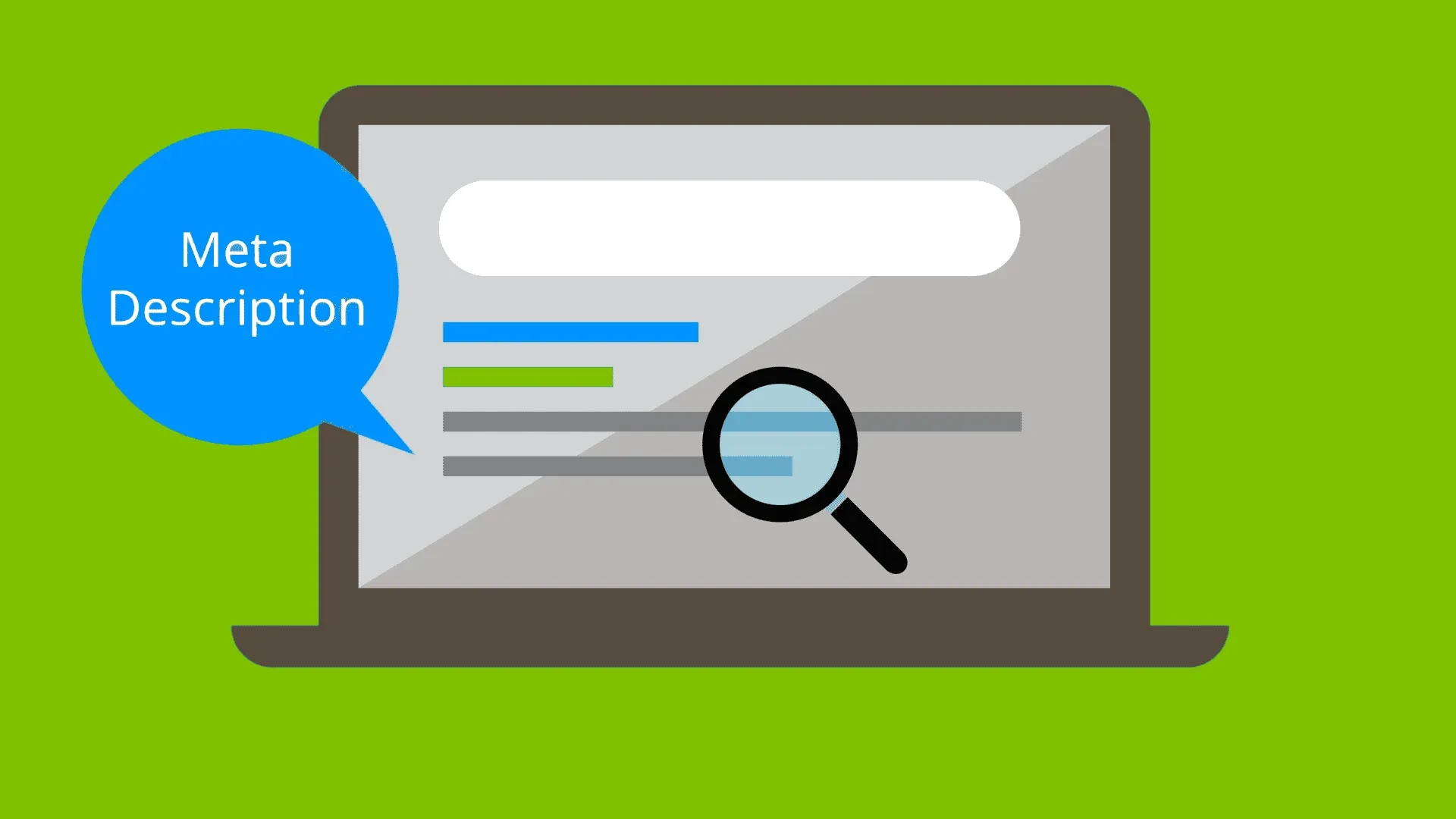
Meta descriptions appear directly below your title tag and URL in search results. They help users scan multiple options quickly and choose the result that best matches their intent.
Here’s how a typical Google snippet is structured:
Element
Display Location
Purpose
Title Tag
First line in the snippet
Introduces the main topic
URL / Breadcrumb
Below the title
Shows page location on the site
Meta Description
Two-line summary text
Encourages clicks with a clear preview
A well-crafted meta description can significantly influence a user’s decision, especially when it highlights value, clarity, and relevance.
Why Meta Descriptions Matter for SEO
Meta descriptions help users understand your page before clicking. A clear, relevant snippet can improve visibility and encourage more users to choose your result.
Impact on click-through rate (CTR)
A strong meta description can significantly increase CTR by giving users a compelling reason to click. When it clearly matches search intent, users trust your result more.
Key ways meta descriptions improve CTR:
They highlight the page’s value.
They use persuasive and clear language.
They reflect exactly what users are searching for.
How they influence user intent and engagement
Meta descriptions set expectations before users land on your page. When the message aligns with their intent, users stay longer and explore more.
They influence engagement by:
Matching search expectations
Helping users predict content value
Encouraging deeper interaction
what is a meta description guide to writing one are meta descriptions important for seo
Ideal Length and Format for a Strong Meta Description
A strong meta description is short, clear, and formatted to give users quick insight into your content. The right length ensures the snippet displays fully in search results.
Recommended character count
The ideal length is 150–160 characters, giving enough space to describe the page without getting cut off.
Guidelines:
Ideal range: 150–160
Minimum: 120
Avoid exceeding 160 characters
Key elements to include in the snippet
A good meta description includes a keyword, a value statement, and a light call to action.
Element
Purpose
Keyword
Shows relevance and gets bolded in results
Value Statement
Explains what users get from the page
CTA
Encourages users to click
Natural Tone
Builds trust and clarity
How to Write an Effective Meta Description
An effective meta description clearly explains your page, uses natural keywords, and encourages users to click. The key is to deliver value quickly while staying concise.
Start with a clear summary of the page
Begin by telling users exactly what your page is about. A simple, direct summary helps them instantly understand the value you offer.
Tips:
Match the summary to the user’s search intent.
Use plain, easy-to-read language.
Describe the main topic in one sentence.
“Clarity always beats cleverness when writing a meta description.”
Add your primary keyword naturally
Including your main keyword helps Google bold it in search results, making your snippet more noticeable. Place it naturally so it feels part of the sentence rather than forced.
Ways to integrate keywords naturally:
Keep your message readable and simple.
Use it once in the main sentence.
Avoid repeating or stacking keywords.
what is a meta description guide to writing one target keyword
Use persuasive, action-driven language
Action language motivates users to click by highlighting what they can achieve or learn.
Examples of persuasive phrasing:
Discover
Learn
Explore
Find out
Get started
Using action-driven words increases curiosity and boosts click-through rates.
Make it user-focused, not keyword-focused
A user-focused meta description prioritizes the reader’s needs, not just SEO terms. It highlights the benefit they’ll receive from visiting your page.
User-focused writing includes:
Addressing the user’s goal
Offering a solution
Keeping the message simple and helpful
“Always write for the user first, search engines reward content that people respond to.”
Include a soft call-to-action
A gentle CTA nudges users toward clicking without sounding pushy. It encourages engagement by showing what action they can take next.
Soft CTA examples:
Learn more inside
Explore the full guide
See how it works
Find the best tips
These subtle prompts help turn impressions into clicks.
Examples of Good and Bad Meta Descriptions
Examples help illustrate what works and what falls short. Comparing strong and weak descriptions makes it easier to understand how small changes impact performance.
Strong, well-optimized examples
Here are examples of effective meta descriptions that use clarity, value, and keywords well:
Example
Why It Works
“Learn how to write perfect meta descriptions with practical tips, examples, and SEO best practices.”
Clear, concise, includes a keyword, offers value.
“Explore simple steps to improve your meta descriptions and boost your click-through rate.”
Action-driven, user-focused, promises a benefit.
“Find expert tips on creating meta descriptions that attract more clicks and match user intent.”
Addresses user intent and includes a CTA-like prompt.
Weak examples and what went wrong
Below are examples of ineffective meta descriptions and the issues they contain:
Example
Problem
“Meta description SEO tips keywords write description click.”
Keyword stuffing and unclear message.
“This page talks about meta descriptions.”
Too vague and adds no value.
“Get info.”
Far too short and lacks relevance or detail.
“Learn everything about everything related to SEO, meta tags, marketing, and more.”
Too broad, unfocused, and misleading.
Tools to Help You Create Better Meta Descriptions
Using the right tools makes it easier to write accurate, readable, and fully optimized meta descriptions. These tools help you preview snippets, check length, and refine your message.
SERP preview tools
SERP preview tools allow you to see how your meta description will appear on Google before publishing. They help ensure proper length and formatting.
Benefits of using SERP previews:
Prevents truncation
Shows how keywords appear when bolded
Helps you refine clarity and structure
Examples of common SERP preview platforms include:
Mangools SERP Simulator
SEOmofo
Portent SERP Preview Tool
SEO plugins and browser extensions
Plugins and extensions make writing meta descriptions easier by giving real-time feedback inside your website editor.
How they help:
Suggest improvements for readability
Check keyword placement
Monitor character count automatically
Highlight missing or duplicate metadata
Popular options include:
Yoast SEO
Rank Math
MozBar Browser Extension
Common Mistakes to Avoid
Small mistakes in your meta description can reduce clicks and confuse users. Avoiding these errors helps your snippet stay clear, relevant, and effective.
Writing too long or too short
Meta descriptions that exceed the limit often get cut off, while overly short ones fail to provide value.
Recommended approach:
Stay between 150–160 characters
Avoid vague, overly brief statements
Make every word meaningful
Keyword stuffing
Stuffing your meta description with keywords makes it look spammy and reduces trust. It also leads to poor readability.
Signs of keyword stuffing:
Repeating the same keyword multiple times
Forced or unnatural sentence structure
Loss of clarity and value
A clean, natural sentence always performs better.
Duplicate meta descriptions across pages
Using identical meta descriptions on multiple pages confuses search engines and weakens relevance.
Problems caused by duplicates:
Google may rewrite your snippet
Pages struggle to rank independently
Users don’t understand the difference between pages
“Each page has a unique purpose so your meta description should reflect that.”
Why Google Rewrites Meta Descriptions
Google sometimes rewrites snippets when it believes your content doesn’t match the search query. This is done to improve user relevance and provide clearer context in results.
Reasons Google may change your snippet
Google may replace your meta description for several reasons:
Reason
Explanation
Irrelevant description
Doesn’t match what users search for
Overly short or vague
Lacks meaningful information
Keyword stuffing
Appears spammy or low quality
Outdated or inaccurate
Doesn’t reflect current content
Better match found in on-page text
Google pulls a more relevant sentence
How to reduce Google rewrites
While you can’t fully prevent rewrites, you can significantly reduce them by optimizing your descriptions properly.
Effective practices:
Match your description to real search intent
Keep your snippet clear, specific, and accurate
Use your primary keyword naturally
Make sure every page has a unique description
Keep length within recommended limits
Conclusion
A well-written meta description plays a crucial role in how users interact with your website in search results. While it doesn’t directly impact rankings, it strongly influences click behavior, user trust, and overall engagement. By keeping your snippet clear, concise, and aligned with search intent, you create a more compelling presence on Google. When written correctly, a meta description becomes a powerful tool that drives more traffic and strengthens your online visibility.
Read More About: What are Meta Tags? How to Use Them for SEO-Detailed Guide
Frequently Asked Questions
How long should a meta description be?
A meta description should typically be 150–160 characters. This length ensures your snippet appears fully in search results without being cut off.
Do meta descriptions affect SEO rankings?
What makes a meta description effective?
Why does Google rewrite my meta description?
More Insights
Black and white image of a straight dark strip and a winding tiled path both leading to a small white house shape.
Local Services Ads vs Google Ads: Which Fits Your Business?
Blog • SEO
Read Article
Black and white image of a translucent sphere above a grid of dots, with a few fine lines rising from the dots into it.
AEO and GEO Explained: What AI Search Optimization Really Means
SEO
Read Article
SEO audit report showing technical issues, content analysis, keyword performance, backlinks, website performance, and recommendations.
How to Make an SEO Audit Report
SEO
Read Article